
1. Suction point
A suction point is created beneath the slab or relevant foundation area. Some homes need more than one suction point because of foundation layout or sub-slab conditions.
Keystone Radon Mitigation designs and installs radon reduction systems for homeowners and property owners throughout Northeastern Pennsylvania.
Keystone Radon Mitigation is based in Throop, Pennsylvania and focuses on radon mitigation system design and installation. The work starts with the home, the foundation, and any radon results the homeowner already has.
Keystone works from existing test results and mitigation needs. Homeowners should use an appropriate test method or qualified testing provider when a radon measurement is needed.
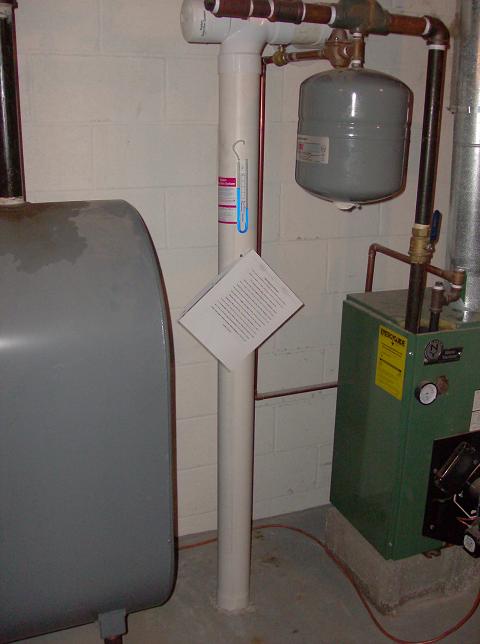
The most common residential mitigation approach creates suction below the foundation so radon is collected before it accumulates indoors.
A suction point is created beneath the slab or relevant foundation area. Some homes need more than one suction point because of foundation layout or sub-slab conditions.
Sealed piping carries soil gas from beneath the home to the exterior discharge route. Accessible openings such as sump lids, cracks, or penetrations may be sealed where practical.
An exterior or appropriately located fan creates continuous negative pressure. The system normally runs all the time so suction remains active.
Radon is discharged above the occupied area where it can dilute outdoors, reducing the chance that soil gas is drawn back into the home.
No two homes are identical. A mitigation plan may need to account for basement slabs, crawlspaces, sump pits, multiple foundation sections, pipe routing, fan placement, electrical requirements, sealing accessible openings, and the exterior appearance of the finished system.
Basement slabs, crawlspaces, block walls, additions, and separate foundation sections can affect suction point placement and pipe routing.
Sump pits, drains, cracks, and utility penetrations are reviewed because accessible openings may need sealing as part of the reduction strategy.
Fan placement and exterior piping are selected around the home's structure, safety requirements, serviceability, and visual impact.
A radon mitigation system normally runs continuously. A system indicator helps show whether suction is present, but it does not measure the home's radon level.
Check the system indicator, listen for unusual fan noise, keep discharge and intake components unobstructed, and retest periodically or after major structural changes. Fan replacement is a normal long-term maintenance item for active systems.
Common questions from homeowners considering a radon reduction system.
Many residential installations are completed efficiently, but timing depends on the home, foundation layout, access, routing, and electrical needs. Keystone can discuss expected scope after reviewing the property.
Many active systems include exterior piping and an exterior fan. Routing is planned around the home so the system can function properly while keeping appearance in mind.
Yes. An active mitigation fan normally runs continuously so the system maintains suction below the foundation.
A properly operating fan is usually not disruptive, but sound depends on fan location, mounting, and the home. Unusual new noise should be checked.
Yes. Multiple slabs, additions, crawlspaces, or sub-slab conditions can require more than one suction point or a more detailed routing plan.
The indicator shows whether suction is present in the mitigation piping. It does not measure the home's radon level, so a radon test is still needed to verify performance.
The homeowner should arrange an appropriate post-mitigation radon test or use a qualified testing provider. Keystone advises customers to verify performance after installation.
Contact Keystone with the test result and test conditions. The system may need evaluation, adjustment, or additional mitigation work depending on the home.
Keystone can discuss existing systems and visible system concerns. The appropriate next step depends on the system design, indicator reading, fan operation, and current radon results.
A mitigation system and retained post-mitigation test result can help document that elevated radon was addressed. Sellers should keep test results and system information with home records.
Find local service-area information for communities Keystone serves from its Throop base.
Local mitigation service information.
Local mitigation service information.
Local mitigation service information.
Local mitigation service information.
Call Keystone Radon Mitigation or send your existing radon result, municipality, and property details.