
When to discuss mitigation
If a result is above the recommended action level, mitigation should be discussed. Pennsylvania DEP advises homeowners with results above 4 pCi/L to confirm the result and take corrective action if results remain elevated.
A radon result helps homeowners decide whether mitigation should be discussed. Keystone uses existing results to prepare mitigation recommendations.
Radon in air is commonly reported in picocuries per liter, abbreviated pCi/L. The number represents the concentration of radon measured during the test period.
The EPA recommends fixing homes with radon levels of 4 pCi/L or higher. EPA also states that there is no known safe level of radon exposure and recommends considering reduction for levels between 2 and 4 pCi/L.
If a result is above the recommended action level, mitigation should be discussed. Pennsylvania DEP advises homeowners with results above 4 pCi/L to confirm the result and take corrective action if results remain elevated.
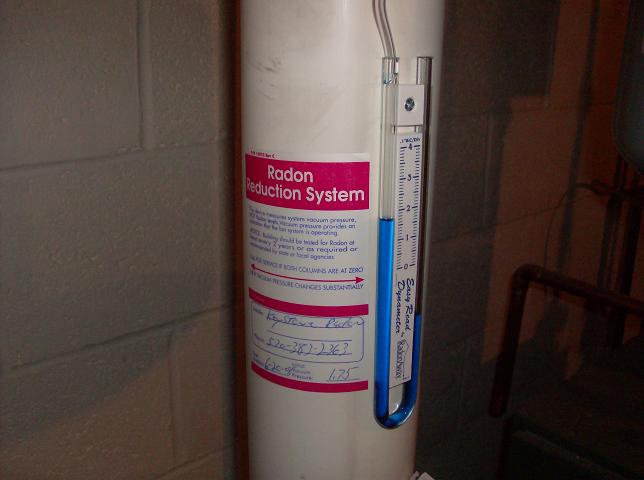
A mitigation system indicator shows whether suction is present; it does not report the home's radon level. A post-mitigation test verifies whether indoor radon has been reduced.
Keystone Radon Mitigation does not need to be the testing provider to plan mitigation. Homeowners can share an existing result, test date, property location, and foundation details when requesting an estimate.
Keep copies of radon test reports, the mitigation estimate, system information, and post-install results. These records are useful for future maintenance, retesting, resale, and conversations with qualified testing providers.
Contact Keystone to discuss mitigation options for the property.